A period of “R&R”
We all know the term R&R to stand for “rest & relaxation.” We don’t get very much of that in this industry. Instead, I’ve noticed that we have been using many words recently that start with “re-” that are intended for the opposite of what “r&r” stands for. We’ve used words like revitalize, regenerate, restructure, repair, refocus, recover, re-train, replant, re-think, re-work, etc.
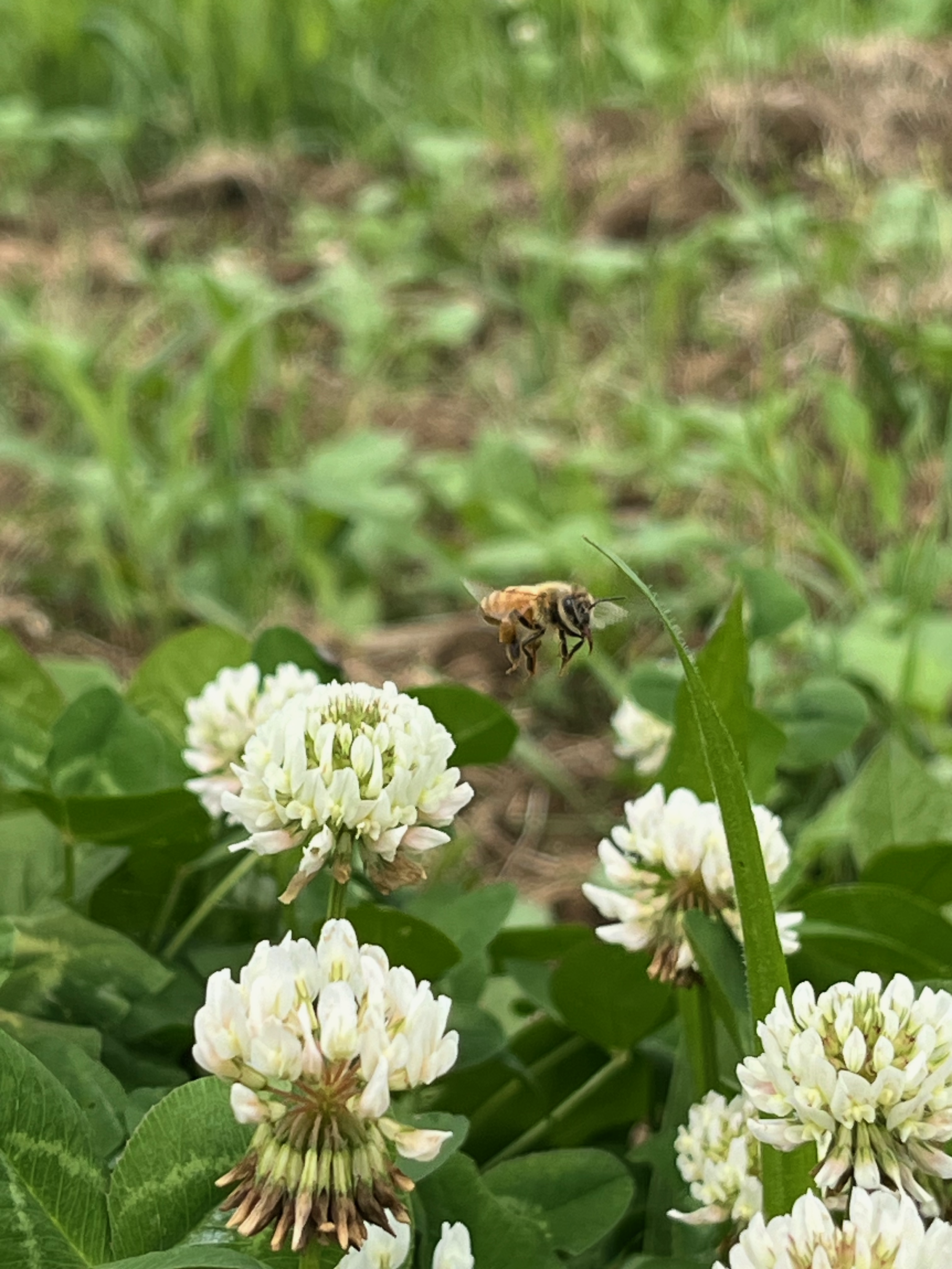
We started this growing season with the intention to revitalize. Over the span of 44 years of grape growing on our property, our soil needed some “r & r.” Revitalization and rejuvenation. We tilled the vineyard’s soil in the beginning of April and later (after the frost/freeze) planted a cover crop of sweet peas, mustard, rye, and clover with the goal of naturally inputting nutrients back into the soil, mitigating pests, and providing more pollen sources for our bees.
In the weeks following the devastating freeze event on Earth Day, we carefully analyzed each vine in our vineyard. Each week we had to rethink how we could help the vines recover and regenerate in the vineyard. Can we re-train each vine? How much life is left in each vine we’re analyzing? Do we order vines now to replace them for next year or do we wait? Will they survive the winter after going through an event like this?
I’ve thought a lot about our old vines. Some of the vines currently in the vineyard were planted by my grandparents, parents, aunts and uncles, cousins and siblings, family friends, and me. Some are 44-year-old vines and have seen more in their lifespan than I have in mine. It’s worth noting that over the course of their life, they have endured devastating and optimal weather, and without knowing it, tragic and jubilant historical events. Over several hours on the morning of April 21st, their fate was determined by mother nature, and some vines in some cases are seeing their last year of life on our property.
Some of our vines have growth at the base of the plant—called “suckers.” This growth is due to stress. If the growth is adequate by the end of the season and survives the next winter, we will remove the existing vine and keep the “sucker”—retraining it for continued growth and to produce a crop. If all goes well, we will have a harvest from those vines in 2028.
So, what does this mean for us as a winery? As I mentioned before, this was already a year of “re.” We’re rethinking and recreating new strategies for our winery for the future so we are a stronger business going forward.
Also, with all that being said, relationships are more important than ever and will keep all farm businesses going during the next few years. We are fortunate that the past couple of vintages were bountiful and we have enough wine to sustain us for the next year and a half. Each bottle of ours that we hand to you or glass that we pour for you now has an even deeper meaning than it did before.